HDO Box vs Nova TV: Which Streaming App Wins the Battle?
When it comes to cutting the cord and finding reliable third-party entertainment apps for mobile devices and smart TV systems, streaming enthusiasts are often split on which platform to use. If you want a seamless layout, fast media loading, and vast libraries without paying for expensive cable subscriptions, choosing the right application matters. The debate of hdo box vs nova tv highlights two distinct approaches to media aggregation, scraper frameworks, and user interface design. Both options have carved out substantial user bases, but they handle playback and navigation quite differently.
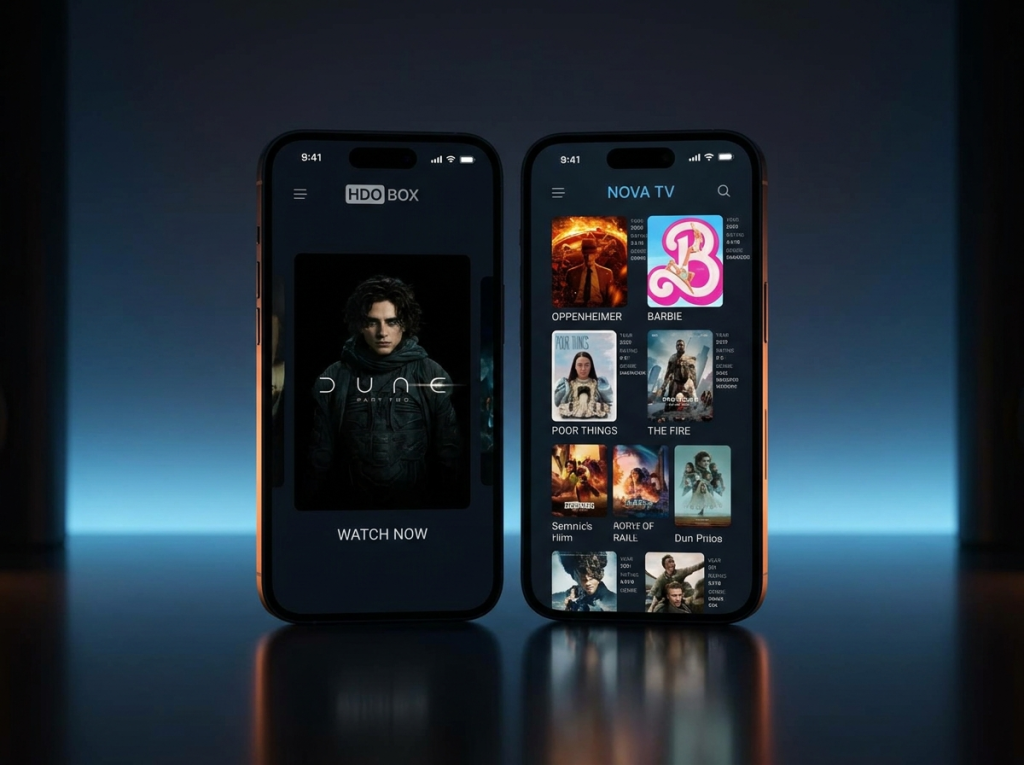
User Interface and Design Layout
The first thing you notice when launching an application is how easy it is to find what you want to watch. Interface design plays a major role in user retention, and this is where the comparison between these two platforms becomes very interesting.
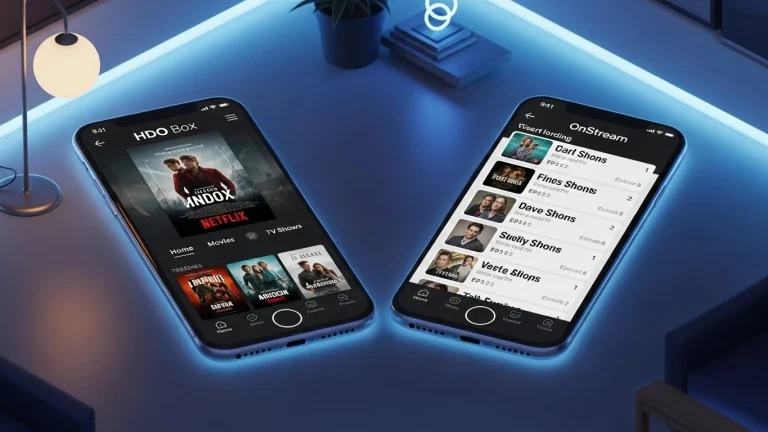
HDO Box is widely recognized for adopting a clean, modern aesthetic that mimics mainstream subscription services like Netflix. The layout features neatly categorized sections such as trending content, popular networks, and curated watchlists. Navigating through titles feels fluid, and the overall visual hierarchy minimizes clutter. It relies on a streamlined presentation that appeals to users who want instant access to media without digging through complex menus.
On the other hand, Nova TV follows a more traditional multi-source scraper layout reminiscent of classic applications like Terrarium TV. While its interface is functional and straightforward, it feels slightly more utilitarian. Menus are text-heavy and structured around dense lists of genres, release dates, and server selections. Although it might take a few extra taps to get used to the layout, power users often appreciate the direct access to raw configuration settings right from the main dashboard.
Scraping Engines and Link Reliability
Beyond appearance, the core engine of any streaming app lies in how efficiently it pulls links and scrapes media servers from the web.
Nova TV operates on a robust multi-source scraping mechanism. When you search for a movie or TV show episode, the app scours dozens of online hosters to compile a comprehensive list of high-definition (HD) and full high-definition (FHD) links. Because it casts a wide net across multiple provider servers, you rarely run out of backup options if a specific link fails to load. Furthermore, Nova TV integrates smoothly with external media players like MX Player, giving you advanced control over audio tracks, aspect ratios, and hardware acceleration.
In contrast, HDO Box takes a more curated approach to content delivery. Instead of overwhelming you with a massive list of dozens of unverified links, it focuses on filtered, high-quality streams with automated server-switching capabilities. Many versions of HDO Box emphasize an automated playback experience, meaning the app attempts to pick a stable file automatically so you can start watching right away without manually testing multiple links.
Ecosystem Integration and Final Verdict
Both apps understand the value of keeping track of what you watch. They support Trakt.tv integration, allowing you to sync your watch history and saved episodes across devices effortlessly.
Deciding between these two media platforms ultimately comes down to your personal viewing habits. If you value a clean, minimalist, modern layout, HDO Box serves as an excellent companion. However, if you prefer deep link control and extensive server choices, Nova TV remains a powerful contender. Weighing what matters most to your setup will point you toward the ideal choice for your entertainment needs.