HDO Box vs CucoTV: Which App Delivers the Best Viewing Experience?
The landscape of on-demand media consumption has shifted dramatically, with cord-cutters increasingly turning to dedicated third-party applications to stream movies and television series. Among the top contenders in this space, hdo box vs cucotv has become a central debate for users seeking high-definition entertainment without the burden of expensive monthly subscriptions.

Both platforms have built massive followings by offering sleek interfaces and vast content libraries, but they approach the user experience from distinct angles. Deciding which application deserves a spot on your streaming device depends heavily on your priorities—whether that means lightning-fast navigation, robust offline downloading capabilities, or advanced link-scraping integrations.
User Interface and Navigation Design
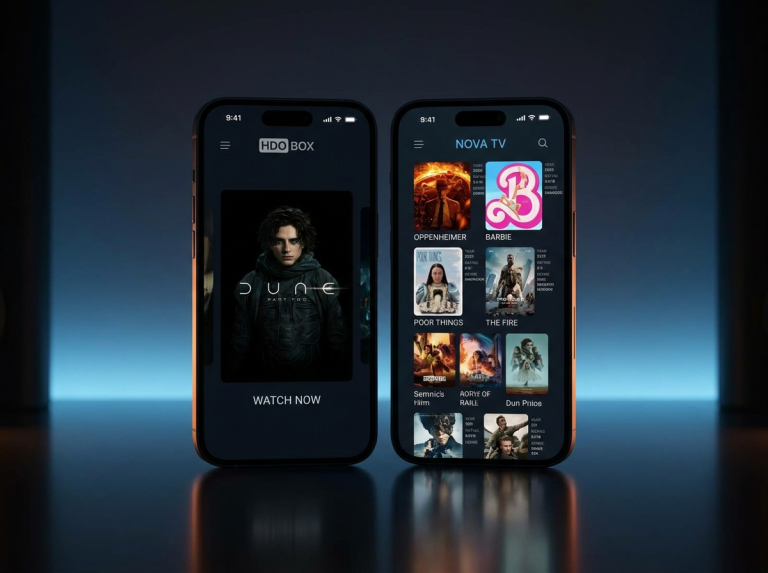
When evaluating streaming software, the layout and responsiveness of the user interface often make or break the experience. HDO Box is widely celebrated for its minimalist, poster-grid layout that mimics mainstream subscription services like Netflix. The application organizes trending titles, genres, and metadata—such as IMDb ratings and release years—cleanly on the home screen, allowing for effortless browsing on Android TV, Google TV, and Amazon Fire Stick devices.

On the other hand, CucoTV brings its own polished aesthetic derived from its ZiniTevi heritage. It presents a feature-rich dashboard complete with personalized profiles, watch history tracking via Trakt.tv integration, and granular category filters. While HDO Box leans toward absolute simplicity with minimal clutter, CucoTV focuses on organizational depth, giving users more tools right out of the box to manage favorites and curate custom watchlists.
Performance, Scraping, and Playback Features
Under the hood, performance dictates how smoothly your movie night unfolds. HDO Box generally utilizes a streamlined link-fetching mechanism, though certain versions require external media players or specific companion apps to handle playback smoothly. It provides a clean environment for casual viewers who just want to tap a title and start watching in high definition.
Conversely, CucoTV shines for power users who demand advanced customization. It features robust support for premium debrid services like Real-Debrid, which drastically improves link quality and speeds by pulling from cached premium torrent sources. Furthermore, CucoTV includes built-in background downloading for offline viewing and extensive subtitle options spanning over 250 languages. This makes CucoTV exceptionally versatile for users who travel frequently or face inconsistent internet speeds.
Device Compatibility and Ecosystem Integration
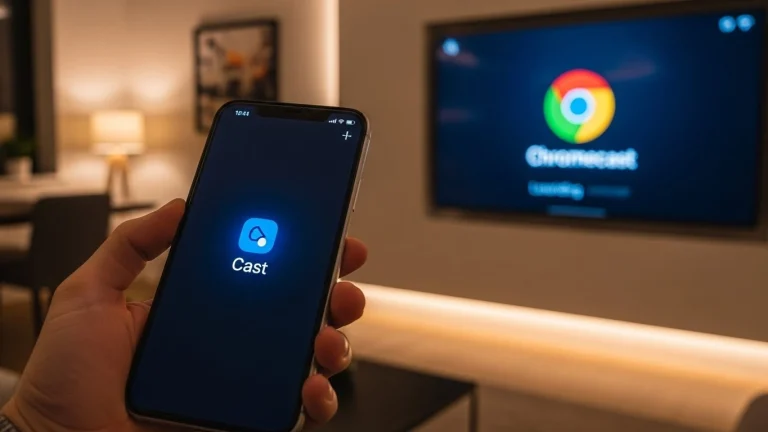
Accessibility across various hardware ecosystems is another critical differentiator. Both applications can be sideloaded onto Android-powered hardware, including smartphones, tablets, smart TVs, and Fire TV sticks. However, CuckooTV stands out slightly in multi-device casting flexibility, offering smooth integration with Chromecast, DLNA receivers, and various living room setups. HDO Box remains heavily optimized for handheld touchscreens and standard remote-controlled TV boxes, maintaining a lightweight footprint that rarely bogs down older hardware.
Ultimately, choosing between these two platforms comes down to what kind of viewer you are. If you prefer a lightweight, straightforward app that gets you straight to the poster grid with zero configuration, HDO Box serves as a reliable daily driver. If you prefer deep tracking integration, debrid caching support, and extensive offline download features, CucoTV delivers a more comprehensive toolkit.