HDO Box vs BeeTV: Which App Offers a Better Streaming Experience?
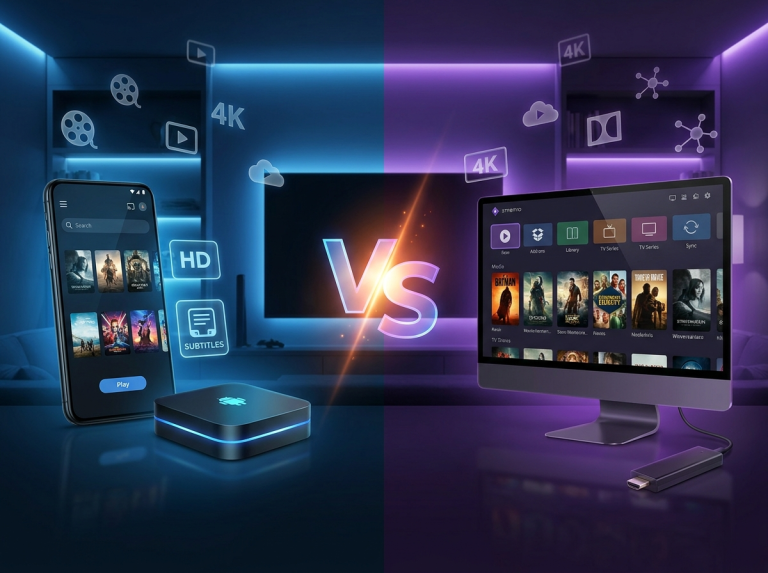
In the fast-paced world of digital entertainment, finding the right platform to access your favorite movies and series can feel overwhelming. Many users find themselves caught in a dilemma when comparing HDO Box vs BeeTV, as both platforms have carved out significant reputations for providing extensive libraries of on-demand content. While both applications aim to streamline your viewing experience, they offer distinct features that cater to different user preferences. Whether you prioritize a minimalist interface, lightning-fast search capabilities, or high-quality playback options, choosing the right tool is essential. This comprehensive guide breaks down the performance, usability, and core differences between these two streaming giants to help you decide which one deserves a permanent spot on your device.
Understanding the Key Differences: HDO Box vs BeeTV
When evaluating HDO Box vs BeeTV, the first thing to consider is the philosophy behind each application. HDO Box is widely celebrated for its clean, intuitive design and a highly efficient engine that pulls links quickly. It is often the go-to for users who want a “plug-and-play” experience without clutter.
On the other hand, BeeTV has established itself as a veteran in the streaming space. It is known for its deep integration with services like Trakt and Real-Debrid, making it a favorite for power users who want complete control over their library and link quality.
User Interface and Navigation
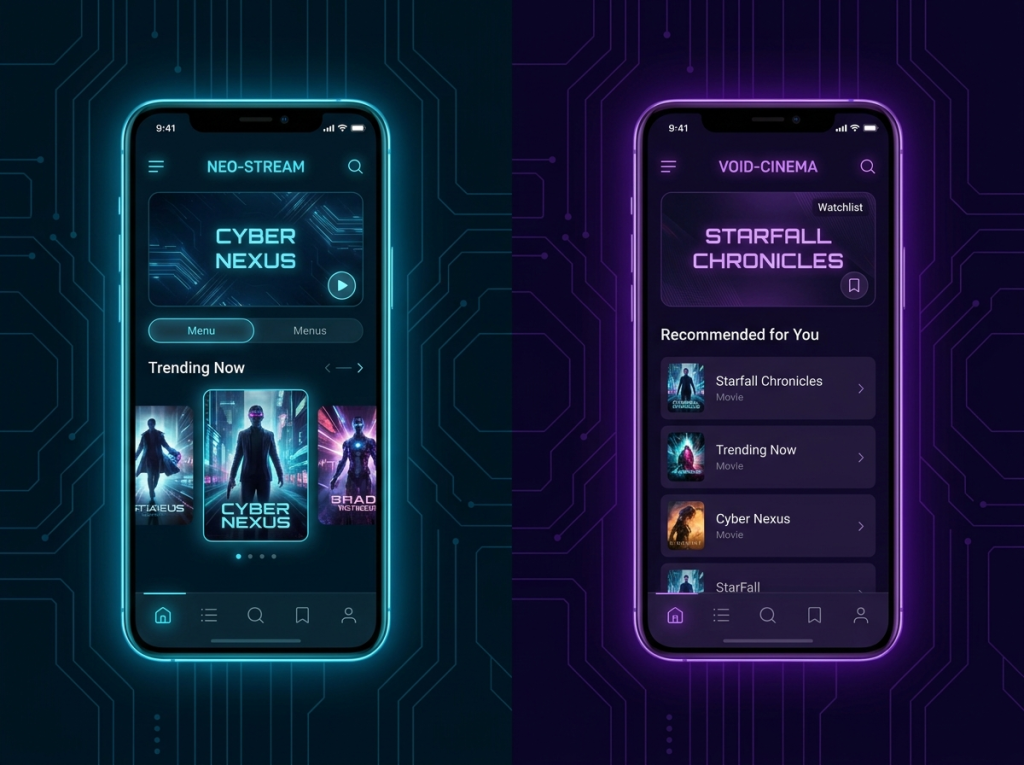
The user experience is often the deciding factor for most streamers. HDO Box vs Bee tv features a modern, visually appealing layout. Navigating through categories is seamless, and the “Discover” tab often provides excellent recommendations based on trending content. It avoids unnecessary menus, making it ideal for those who prefer a streamlined look.
BeeTV, meanwhile, opts for a more functional approach. Its interface provides extensive filtering options, allowing you to sort content by genre, release year, and popularity with precision. While it may take a few more minutes to configure to your liking, the benefit is a highly personalized dashboard that keeps your watchlists and history neatly organized.

Performance and Reliability
When it comes to stability, both apps perform admirably, provided they are updated to the latest versions. However, HDO Box is often cited as being more lightweight on system resources. If you are using a low-powered streaming device or an older Android box, HDO Box may offer a smoother experience with fewer frame drops or lag spikes.
BeeTV is a powerhouse, but its heavy reliance on third-party scrapers can sometimes lead to longer wait times while the app verifies link availability. It is a trade-off: you wait a few seconds longer for the results, but you often gain access to a larger pool of server options if the first one fails.
Installation and Setup
Both apps require “sideloading” on Android and Firestick devices. HDO Box simplifies this process with a very straightforward APK installer. Once installed, the setup is minimal; you rarely need to tinker with deep settings to get it running.
Conversely, BeeTV offers a more advanced installation experience. While it also uses a standard APK, the initial setup process encourages you to configure external services like Trakt and Real-Debrid immediately. For those who are tech-savvy, this “setup wizard” approach in BeeTV saves time in the long run.
Subtitle Support and Playback Experience
BeeTV takes a significant lead by offering deep integration with OpenSubtitles. Users can customize font size, color, and synchronization settings directly within the app’s player interface. If you find that subtitles are often out of sync, BeeTV’s manual sync tools are incredibly handy.
HDO Box handles subtitles quite well, often auto-fetching them based on the file metadata. It keeps the UI clean, ensuring that your movie-watching is interrupted by minimal configuration windows. Both applications allow you to cast to external players like MX Player or VLC, which ensures that you can always use your preferred playback engine.
Safety, Legality, and Privacy
When using third-party streaming applications like HDO Box or BeeTV, prioritizing your online privacy is paramount. These applications aggregate links from various public sources, meaning the content is not hosted on the app’s own servers. To protect your identity and data, it is strongly recommended that you use a reputable VPN (Virtual Private Network).
A VPN masks your IP address and encrypts your connection, ensuring that your streaming activity remains private from your ISP (Internet Service Provider) and potential trackers. Regardless of whether you choose HDO Box or BeeTV, a stable VPN connection is your first line of defense.
Final Verdict: Which One Should You Choose?
Deciding between the two depends entirely on your specific streaming habits. If you value speed, aesthetic simplicity, and a hassle-free setup, HDO Box is likely the superior choice for your daily viewing. It provides a polished experience that feels modern and responsive on almost any hardware.
Conversely, if you are a “power user” who enjoys tweaking settings, managing massive watchlists, and scouring for the highest quality links, BeeTV is the better investment of your time. Its feature set is deeper, offering a level of granular control that casual viewers might find unnecessary but power users find indispensable.